Freelancing and self-employment offer flexibility and independence but also come with unique tax responsibilities. As a freelancer or self-employed professional in Reno, understanding tax considerations is crucial for optimizing your tax obligations and ensuring compliance with federal and state tax laws. This guide provides essential tax tips tailored for freelancers and self-employed individuals to help you manage your taxes effectively.

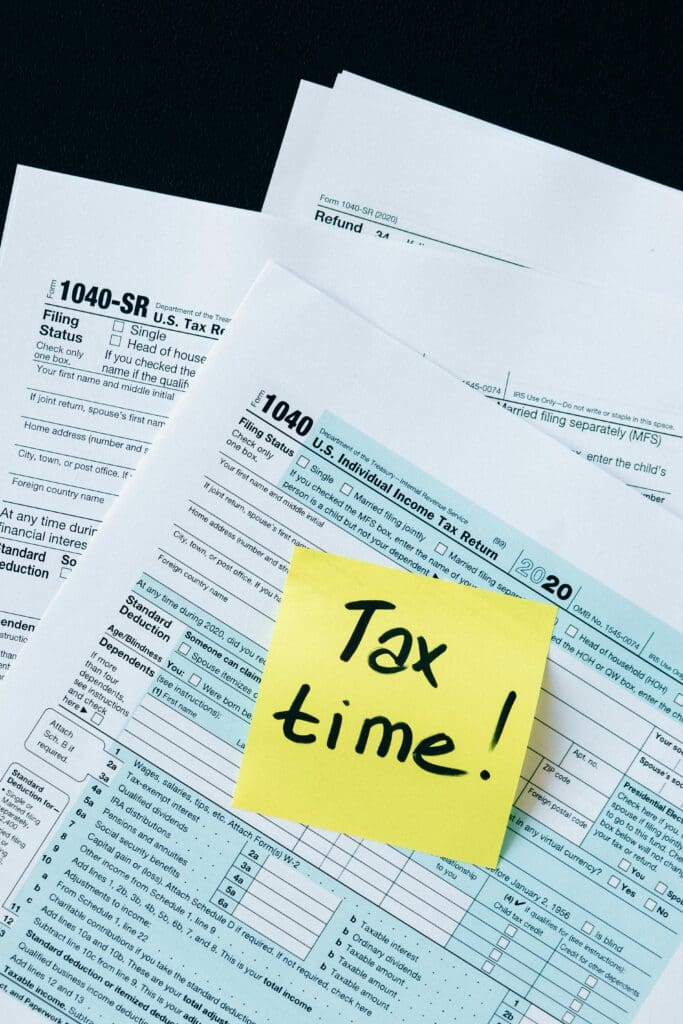
One of the first steps in tax preparation for freelancers and self-employed professionals is understanding the different tax forms you’ll need to file. Here are the primary forms you should be familiar with:
1099-NEC: This form reports non-employee compensation. If you earn $600 or more from a client, they will issue you a 1099-NEC. Keep track of these forms as they reflect your total income.
Form 1040: This is your main individual income tax return form. It summarizes your income, deductions, and tax credits.
Schedule C (Form 1040): This form is used to report income or loss from a business you operated or a profession you practiced as a sole proprietor.
Schedule SE (Form 1040): This form calculates your self-employment tax, which covers Social Security and Medicare taxes.
Understanding these forms is critical to accurately report your income and expenses, ensuring you don’t miss any important details.
As a freelancer or self-employed individual, you are responsible for paying your taxes quarterly. Unlike traditional employees, taxes aren’t automatically withheld from your payments. Here’s what you need to know about quarterly tax payments:
Significance: Quarterly payments help you manage your tax liability throughout the year, avoiding a large tax bill at the end of the year and potential penalties.
Calculation: Estimate your total tax liability for the year, including income tax and self-employment tax, then divide by four. Use Form 1040-ES to calculate and pay your estimated taxes.
Deadlines: Quarterly tax payments are due on April 15, June 15, September 15, and January 15 of the following year. Mark these dates on your calendar to avoid missing a payment.
Staying on top of your quarterly tax payments ensures you remain compliant and avoid unnecessary penalties.
Maximizing your deductions is key to reducing your taxable income and saving money. Here are some common deductions for freelancers and self-employed professionals:
Home Office Deduction: If you use part of your home exclusively for business, you may qualify for the home office deduction. Calculate the percentage of your home used for business to determine the deductible amount.
Travel Expenses: Business-related travel expenses, including airfare, lodging, and meals, can be deducted. Keep detailed records and receipts to support your claims.
Equipment and Supplies: Expenses for equipment, such as computers, software, and office supplies, are deductible. If the equipment is used for both personal and business purposes, only the business portion is deductible.
By understanding and claiming these deductions, you can significantly lower your tax liability.
Deciding on the right legal structure for your business can have important tax implications. Here are two common structures for freelancers and self-employed professionals:
Sole Proprietorship: This is the simplest structure, where you and your business are considered one entity. While easy to set up, it doesn’t provide liability protection, and your personal assets could be at risk.
Limited Liability Company (LLC): Forming an LLC provides liability protection, separating your personal and business assets. It also offers flexibility in how you are taxed, potentially allowing you to choose to be taxed as an S Corporation for tax savings.
Each structure has its benefits and drawbacks, so it’s important to choose the one that best suits your business needs and goals.
Choose the Right Software: Accounting software can significantly simplify your bookkeeping tasks. Selecting the right software tailored to your business needs can enhance efficiency and accuracy. At Rought & Accounting, we recommend QuickBooks Online for its comprehensive features and user-friendly interface. QuickBooks Online offers automated transaction recording, expense tracking, and financial reporting, making it an excellent choice for small businesses.
Utilize Automation Features: Take full advantage of the automation features offered by QuickBooks Online. Automated bank feeds, expense categorization, and recurring invoices can save you valuable time and reduce manual entry errors. By automating routine tasks, you can focus more on strategic financial planning and less on data entry.
Navigating the tax landscape as a freelancer or self-employed professional in Reno can be challenging, but understanding the basics can help you manage your taxes effectively. By familiarizing yourself with essential tax forms, staying on top of quarterly payments, maximizing deductions, and choosing the right legal structure, you can optimize your tax obligations and ensure compliance. For personalized advice tailored to your unique situation, contact Rought & Accounting. Our experienced specialists are here to help you make informed decisions and achieve financial success. Don't forget to subscribe to our newsletter for more financial insights and follow us on social media for real-time updates.
In the bustling world of business, having dependable accounting services is not just beneficial—it’s essential. For businesses in Reno and beyond, a looming national accountant shortage poses new challenges and strategic demands. This shortage, driven by an aging workforce, fewer graduates entering the profession, and shifts caused by the COVID-19 pandemic, is impacting businesses at all levels. During the pandemic, many professionals in accounting adapted to remote work. However, some firm owners were slower to embrace this change, leading to an acceleration in retirements across both public and private sectors. As accountants moved up or transitioned from public to private roles, it created significant gaps in the workforce. Understandably, this shortfall could affect your operations, planning, and financial management.

The Scope of the Accountant Shortage
Between 2019 and 2022, more than 300,000 accountants left the industry, intensifying the accountant shortage in the United States. The combined factors of an aging workforce, changes in workplace expectations brought on by COVID, and fewer professionals entering the field have left a significant void. As senior accountants retire, the shortage of qualified replacements means businesses must now reconsider their financial strategies and find alternative ways to handle essential accounting tasks. For Reno businesses, understanding this shortage is key to planning future financial operations and maintaining smooth financial management.
Impact on Reno’s Small and Medium Businesses
Small and medium-sized enterprises (SMEs) in Reno are particularly vulnerable to the accountant shortage. These businesses often operate with limited resources, making them more susceptible to challenges like delayed financial reporting, compliance issues, and hindered growth due to a lack of strategic financial guidance. The shortage forces businesses to consider alternative solutions, such as outsourcing their accounting functions or adopting more sophisticated software.
Adaptive Strategies and Solutions for Reno Businesses
Thankfully, there are adaptive strategies that businesses in Reno can adopt to mitigate the impact of the accountant shortage. Leveraging technology, such as advanced accounting software and automation tools, can help streamline financial tasks. Additionally, outsourcing accounting services to specialized firms can bridge the gap created by the shortage.
At Rought & Accounting, we offer personalized solutions tailored to help businesses navigate these turbulent waters effectively. Whether it’s providing expert advice or handling day-to-day accounting tasks, we ensure that your business continues to run smoothly despite the national shortage.
Economic and Educational Drivers Behind Reno's Accountant Shortage
The national accountant shortage is driven by both economic and educational factors. The demand for accountants has surged as businesses grow and financial regulations become more stringent. At the same time, fewer students are choosing accounting as a career due to perceptions that it lacks dynamism compared to other fields like technology. Moreover, the rigorous CPA exam further discourages potential candidates from entering the profession.
This shortage is further compounded by the inability of educational institutions to keep up with modern accounting technologies, such as artificial intelligence and blockchain, leaving new graduates underprepared for the demands of today’s accounting landscape.
Future Outlook of Accounting Careers in Reno
The future of the accounting profession is changing, with a growing focus on technology integration and evolving business environments. Automation, AI, and data analytics are becoming increasingly important, reshaping the role of accountants from traditional number crunchers to strategic business advisors. Accountants who adapt to these changes and stay ahead of technological trends will find themselves in high demand, especially as businesses continue to rely on their expertise for more complex decision-making processes.
Contact Rought & Accounting today to learn how our expert accounting services can help your business overcome the challenges posed by the national accountant shortage, ensuring your financial stability and success.
As tax season approaches, residents and small business owners in Reno often face the daunting task of organizing their financial affairs for timely and accurate tax filing. Whether you're a seasoned filer or tackling this responsibility for the first time, understanding the strategies that local tax preparers recommend can transform your tax preparation experience. Rought & Accounting in Reno, a trusted name in personalized tax services, offers insights that can not only streamline your tax process but also enhance your financial outcomes.

Maintaining organized financial records throughout the year is a crucial first step recommended by tax experts. This practice eases the burden of tax filing and ensures that all deductions and credits are properly accounted for. Understanding the nuances of these financial benefits, such as what qualifies for a deduction or a credit, can significantly impact your tax liabilities and returns. Moreover, honesty and accuracy in your financial records are paramount. These records form the foundation upon which tax professionals like those at Rought & Accounting base their evaluations and advice. Additionally, staying informed about the latest tax laws and updates can make a major difference in your tax preparation strategy, helping you avoid last-minute confusion and potential errors.
Maintaining an organized system for managing financial records is not just a necessity for businesses but also an empowering strategy for individual consumers. The ability to swiftly locate financial documents can save time and mitigate stress when handling unexpected financial situations or during tax season. Establishing a year-round organization system helps you stay on top of your financial health.
Start by determining what documents should be kept and for how long. Essential documents such as tax returns, major financial records, and legal contracts should be retained for a minimum of seven years. Other items like utility bills, credit card statements, and bank statements should be kept until you have confirmed the accuracy of the transactions and filed any related tax deductions. Organizing these documents into clearly labeled categories, whether digitally or in physical folders, makes retrieval straightforward and quick.
Digital organization has become a favored method due to its convenience and the added security features available. Using cloud storage solutions with encryption protects sensitive information from theft and environmental damage. Additionally, many financial institutions now offer digital statements and document storage that can be integrated into personal financial management software. This reduces physical storage needs and allows easy access across multiple devices with appropriate security measures in place.
Tax season can often feel overwhelming with its myriad forms and regulations. Yet, among the complexities, deductions and credits stand out as the superheroes of tax savings, directly reducing how much you owe to the state or federal government. These financial incentives encourage specific behaviors like investing in green technologies, pursuing higher education, or supporting charitable causes. While both reduce your tax burden, deductions lower the income you're taxed on, whereas credits decrease your tax bill dollar-for-dollar.
To effectively utilize deductions, it's crucial to understand the difference between standard and itemized deductions. The standard deduction, a set amount determined by your filing status, simplifies the process but might not provide the savings of itemized deductions, where you calculate relevant expenses. Common itemized deductions include mortgage interest, state and local taxes, and medical expenses exceeding a certain percentage of your income. Deciding whether to itemize or take the standard deduction depends on which scenario offers the greater tax benefit. Planning and record-keeping are essential to substantiate your deductible expenses.
For individual taxpayers, understanding personal tax credits can lead to significant savings. Common credits include the Earned Income Tax Credit (EITC) for low to moderate-income workers and families, the Child and Dependent Care Credit for parents incurring childcare costs while working or studying, and Education Credits for those pursuing post-secondary education. Each credit has specific qualifications and can sometimes be refundable, meaning they could reduce your tax liability below zero and result in a refund.
Business owners can also reduce their tax burden through credits aimed at fostering certain activities. For example, the Small Business Health Care Tax Credit helps small businesses and tax-exempt organizations afford the cost of covering their employees. Moreover, the Research and Development (R&D) Tax Credit incentivizes businesses of all sizes to pursue innovation within their industries. These credits not only lower tax liability but also support business growth and operational goals.
In essence, understanding the intricacies of deductions and credits is key to maximizing your tax refunds or minimizing what you owe. Whether you're an individual taxpayer or a business owner, consulting with a tax professional who can help you navigate the options and plan accordingly is wise. This knowledge aids in compliance with tax laws and optimizes financial performance, aligning strategically with personal and business finances.
In today's fast-paced business environment, maintaining accurate and honest records is not just a legal duty but a strategic asset. Accurate financial records are crucial for understanding your business’s financial health, making informed decisions, and ensuring compliance with tax laws and regulations. For Rought & Accounting, the importance of this cannot be overstated, as it significantly influences the firm's reliability and reputation.
Accurate record-keeping provides detailed and clear insights into the profitability and financial status of your business. It allows you to identify strengths, weaknesses, and opportunities for improvement. When your financial records are in order, assessing new strategies for growth becomes much easier. This practice helps in internal management and boosts consumer confidence, enhancing relationships with investors and creditors.
Moreover, accurate records reduce the chances of financial mismanagement and fraud. They act as a check and balance, ensuring that every transaction is accounted for and can be traced back to its source. For consumers, this transparency builds trust and assures them of your business’s integrity. Furthermore, such practices improve your standing with search engines, as online mentions of your company will likely be positive due to fewer financial discrepancies and customer complaints.
Tax laws are constantly evolving, making it imperative for consumers to stay informed about the latest changes that could affect their financial health. Tax law adjustments can have significant implications on personal finances, business operations, and investment decisions. Understanding these changes not only helps in complying with the law but also in optimizing tax liabilities. At Rought & Accounting, we dedicate ourselves to dissecting these complex alterations and simplifying them for our clients.
Every year, various adjustments to tax laws occur at both federal and state levels. These can range from shifts in tax brackets and changes in deductions and credits to new regulations affecting retirement savings or healthcare benefits. For individuals, this could mean different strategies for filing taxes, potentially leading to significant savings or avoiding legal penalties. For businesses, staying updated could affect everything from payroll to profit margins.
The main reason staying informed about tax law changes is essential is compliance. Failing to adapt to new laws can result in fines and penalties. However, the benefits extend beyond mere compliance. For individual taxpayers, understanding how new tax laws impact their deductions, credits, and overall tax liability can lead to substantial financial savings. For businesses, it can influence strategic decisions related to business structure, employee benefits, and expense management.
Moreover, tax laws are influenced by political and economic conditions, meaning they can change frequently and sometimes drastically during economic downturns or when new administrations take office. Consumers who stay informed can adjust their financial planning strategies accordingly to take advantage of beneficial changes and mitigate adverse effects from others.
As a freelancer, managing your finances can often feel like navigating through a maze. Without the proper bookkeeping practices, sustaining a lucrative freelancing career is challenging. Rought & Accounting understands this plight and offers tailored Reno bookkeeping services to help freelancers like you keep their finances in clear view. This article dives into four essential bookkeeping tips that are crucial for your financial success. By adhering to these guidelines, you'll not only make more informed decisions but also ensure your business thrives in the competitive freelancing world.
The cornerstone of sound financial management starts with accurate record-keeping. Learn how simplicity in your bookkeeping process can save you time and prevent major headaches during tax season. We'll show you practical strategies to streamline this aspect of your workload, making it less daunting. Enhance your financial literacy and confidence by understanding just what goes into maintaining impeccable records.

Navigating Through Tax Obligations
Taxes can be a freelancer's nightmare if not handled correctly. From determining your tax bracket to understanding various deductions you are entitled to, this section will provide essential information to demystify your tax obligations. Don't let taxes intimidate you; instead, learn how Reno bookkeeping services can turn this challenge into an opportunity for saving money and avoiding penalties.
Keeping a meticulous track of where your money comes from and where it goes is essential for any freelancer. This section will highlight tools and techniques to monitor your cash flow accurately, which is vital for assessing the health of your freelancing business and planning future growth.
Setting aside a portion of your income for taxes is a practice every savvy freelancer should adopt. We’ll discuss how much to save, when, and where to keep this money to make the most of your hard-earned dollars.
By applying these simple yet effective strategies, you can streamline your finances and enhance the success of your freelancing career. Rought & Accounting is here to assist with all your bookkeeping needs, offering expert guidance tailored to freelancers in Reno. Don't navigate your financial journey alone—reach out to us today to schedule a consultation and discover how our Reno bookkeeping services can help you stay on top of your finances, avoid costly mistakes, and maximize your earning potential. Subscribe to our newsletter for more tips, and don’t forget to download our free e-book on financial management tailored specifically for freelancers.
Starting a new business in Reno can be exciting and challenging. As a beginner, understanding the basics of accounting is crucial to ensure your financial health and compliance with regulations. In this article, we provide essential accounting tips for beginners, tailored by a Reno accountant, to help you make informed decisions and streamline your finances.
To effectively manage your business finances, it's essential to familiarize yourself with basic accounting terms. A Reno accountant can help you understand key terms such as:
Understanding these terms will help you read and interpret financial statements, such as balance sheets and income statements, which are vital for making informed business decisions.
An efficient accounting system is the backbone of any successful business. A Reno accountant can guide you through the steps to set up a robust accounting system:
By setting up an efficient accounting system, you can streamline your financial processes and focus more on growing your business.
Managing business expenses is crucial for maintaining profitability and financial stability. Here are some tips to manage your expenses effectively:
By managing expenses wisely, you can maximize your profits and ensure long-term financial health.
Tax planning is an essential aspect of managing your business finances. Proper tax planning helps you minimize tax liability and avoid penalties. Here are some tax planning tips for beginners:
By planning for taxes effectively, you can reduce your tax burden and keep more of your hard-earned money.
Starting a new business in Reno is an exciting venture, but it comes with financial responsibilities. Understanding basic accounting terms, setting up an efficient accounting system, managing business expenses wisely, and planning for taxes are essential steps for beginners. For personalized accounting services and more detailed advice, contact Rought & Accounting. Subscribe to our newsletter for more financial insights and follow us on social media for real-time updates.
Understanding the differences between financial accounting and management accounting can help business owners and financial managers make more informed decisions. At Rought & Accounting in Reno, NV, we provide expert advice to guide you through these distinct accounting practices. Let’s explore the key differences and how each can benefit your business.
The primary purpose of financial accounting is to create financial statements that provide information to external stakeholders. These stakeholders include investors, creditors, and regulatory bodies. Financial accounting helps them understand the financial health and performance of your business.
In contrast, management accounting is designed for internal decision-making. It provides detailed financial and non-financial information to managers to help them make strategic business decisions. This can include budgeting, forecasting, and performance analysis. Management accounting is more about providing actionable insights than adhering to external reporting standards. At Rought & Accounting, we not only want you to learn about these differences, but OMG, we've got a certified person on staff for this very thing! Judi, our Certified Management Accountant (CMA), is here to guide you through every aspect of management accounting.

Financial accounting is primarily retrospective, dealing with historical data. It compiles and reports past financial transactions. This historical perspective allows external stakeholders to see how the company has performed over a specific period. It is essential for compliance and financial transparency.
On the other hand, management accounting is forward-looking. It focuses on future projections and current data to assist in planning and decision-making. Managers use this information to set future goals, allocate resources, and plan for potential challenges.
Financial accounting must adhere to strict regulations and standards, such as Generally Accepted Accounting Principles (GAAP) or International Financial Reporting Standards (IFRS). These standards ensure consistency, reliability, and comparability of financial statements across different organizations. Compliance with GAAP or IFRS is mandatory for financial accounting. These standards provide a framework for preparing financial statements, ensuring they meet legal and regulatory requirements. This consistency is crucial for external stakeholders who rely on these reports for decision-making.
In contrast, management accounting is more flexible and not bound by these strict standards. Managers can tailor reports to meet the specific needs of the business. This flexibility allows for more detailed and relevant information that can drive better decision-making.
Financial accounting often provides a summarized view of the overall business performance. It aggregates data to present a clear picture of the company’s financial health. The reports generated through financial accounting offer a high-level overview of the company’s performance. This summary is useful for external stakeholders but may lack the detailed insights needed for internal decision-making.
Management accounting, however, involves a deeper, more detailed analysis of business metrics. Managers use this detailed information to make strategic decisions that affect the company’s operations and future growth. This in-depth analysis helps in identifying areas of improvement and opportunities for efficiency.
Accounting software can significantly simplify your bookkeeping tasks. Selecting the right software tailored to your business needs can enhance efficiency and accuracy. At Rought & Accounting, we recommend QuickBooks Online (QBO) for its comprehensive features and user-friendly interface. QuickBooks Online offers automated transaction recording, expense tracking, and financial reporting, making it an excellent choice for small businesses.
Take full advantage of the automation features offered by QuickBooks Online. Automated bank feeds, expense categorization, and recurring invoices can save you valuable time and reduce manual entry errors. By automating routine tasks, you can focus more on strategic financial planning and less on data entry.
Understanding the differences between financial and management accounting can significantly impact your business strategy. For personalized accounting services tailored to your business needs, contact Rought & Accounting in Reno, NV. Our tax experts, are here to help you navigate these accounting practices and ensure you make informed decisions. Contact us today to learn more about our services and schedule a consultation today.
As a business owner, understanding the differences between accountants and bookkeepers is crucial for making informed decisions about your financial management. Whether you're searching for accounting and bookkeeping services near or trying to figure out which professional you need, knowing their distinct roles is essential. Both roles are essential, but they serve different purposes. In this article, we'll explore the responsibilities, qualifications, costs, and how to choose the right service for your business needs.
Accountants play a vital role in your business by preparing financial statements, conducting audits, filing taxes, and providing strategic financial advice. They ensure compliance with laws and regulations, helping you navigate the complexities of financial management. Accountants often hold certifications such as CPA (Certified Public Accountant), which signifies their expertise and commitment to professional standards.

Bookkeepers manage the daily financial transactions of your business. They record transactions, manage accounts payable and receivable, and maintain accurate ledgers. While their role is more administrative, ensuring that records are accurate and up-to-date is crucial for the smooth operation of your business. Unlike accountants, bookkeepers typically do not provide in-depth financial analysis or strategic planning.
Accountants usually hold a bachelor's degree in accounting or finance and may pursue additional certifications like CPA, CMA (Certified Management Accountant), or CFA (Chartered Financial Analyst). This advanced education and certification enable them to handle complex financial tasks and offer strategic insights.
Bookkeepers often require a high school diploma or an associate degree. Certification programs, such as those from the American Institute of Professional Bookkeepers (AIPB), can enhance their qualifications. These programs demonstrate their expertise and commitment to maintaining high standards in bookkeeping.
Due to their advanced qualifications and broader scope of services, accountants generally charge higher fees. Their services are ideal for tasks requiring detailed financial analysis, tax preparation, and strategic financial planning. Investing in an accountant can be beneficial for long-term financial health and compliance.
Bookkeepers typically charge lower fees compared to accountants. They are perfect for managing daily financial transactions, maintaining accurate records, and ensuring compliance with basic financial regulations. For small businesses or those with straightforward financial needs, bookkeepers offer a cost-effective solution.
Evaluate your business needs to determine whether you require the detailed financial analysis and advisory services of an accountant or the daily transaction management of a bookkeeper. Assess the complexity of your financial situation and the specific tasks you need help with.
Consider your budget and the complexity of your financial needs. If your business is small and primarily requires help with basic financial tasks, a bookkeeper may be sufficient. For more complex financial management and strategic planning, an accountant is the better choice.
Some businesses benefit from using both accountants and bookkeepers. Bookkeepers handle daily transactions and record-keeping, while accountants provide higher-level analysis and strategic advice. This hybrid approach ensures comprehensive financial management tailored to your business's needs.
After reading this article, we encourage you to contact Rought & Accounting for personalized advice on your specific financial needs. Visit our website or schedule a consultation to learn how our accounting and bookkeeping services near me can benefit your business.